News
Flood appeal: the first ten days
Where the first $64,000 went after the river burst its banks in the north district: shelter kits, food parcels, and clean water, day by day.
On the night of 14 October, after four days of rain, the river rose two metres in five hours and flooded the lower half of six villages in the north district. Around 3,000 people, about 1,300 households, left their homes. This is our first report on the appeal: what we did in the first ten days, what it cost, and what comes next. All figures are sample figures.
Days 1 and 2: shelter
Our partner in the district, a network of village committees we have worked with since 2021, opened two school halls on the first night. They had blankets for about half the people who came.
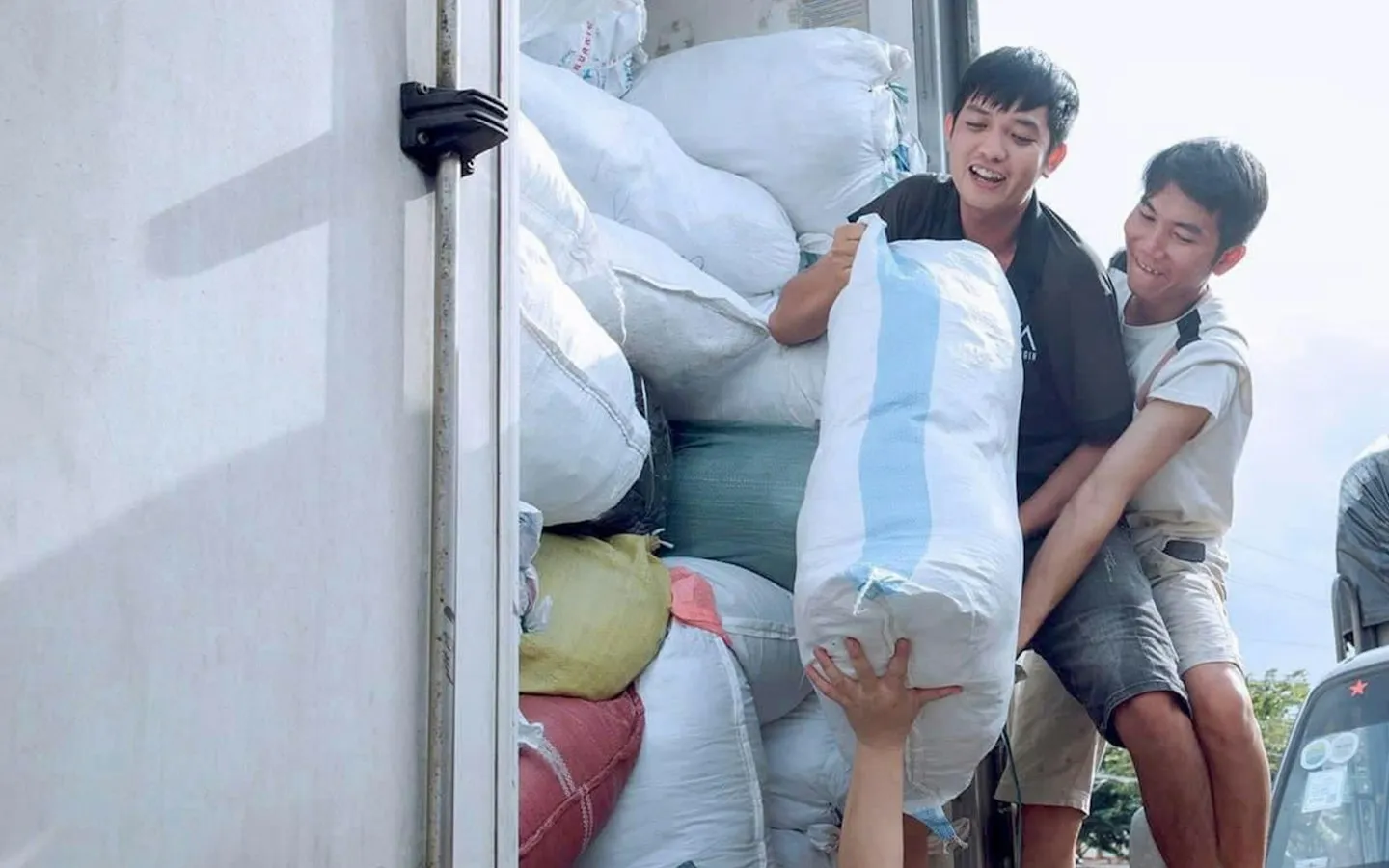
On the morning of day 2 we released $18,000 from the emergency relief fund, before the appeal opened, so the first trucks did not have to wait for donations. That paid for 600 shelter kits: two blankets, a sleeping mat, a tarpaulin, rope, and a solar lamp. The kits were bought from a supplier in the regional town and loaded the same afternoon.
“We opened the halls with what we had. Two days later the kits arrived, sorted by family size, and we could stop counting blankets and start listening to people.”
Yusuf A., partner, village committee network (sample)
Days 3 to 5: food and water
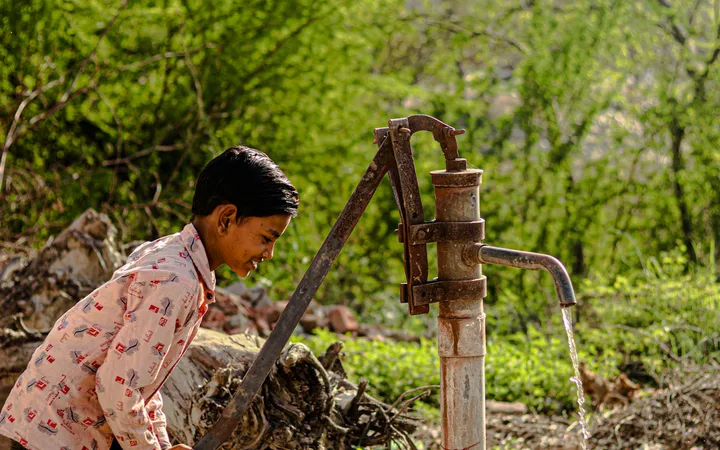
The wells in the two lowest villages were under water, and the water in the others was not safe to drink until tested. For five days, a tanker brought 20,000 litres of clean water a day to the school halls, and every household received chlorine tablets and a 20-litre container.
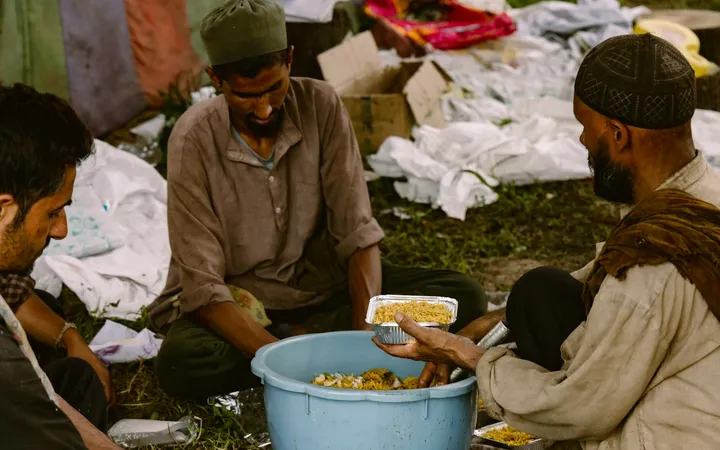
Food parcels started on day 3. Each parcel feeds a family of five for a week: rice, lentils, oil, salt, sugar, tinned fish, and soap. Volunteers from the community kitchen drove the Thursday food round out to the halls instead of their usual route.
Days 6 to 10: the first families go home
By day 6 the water had gone down in three of the six villages. Families who could go home went with a clean-up kit (buckets, brushes, disinfectant, gloves, and rubbish sacks) and a second food parcel.
Our water team tested 22 wells on days 8 and 9. Fourteen were safe. Eight need cleaning and disinfection before they can be used again, and the work started on day 10.
Where the money went
In the first ten days we spent $64,180:
| Item | Spent |
|---|---|
| Shelter kits (600) | $18,000 |
| Food parcels (1,240) | $27,280 |
| Water trucking and containers | $9,600 |
| Clean-up kits (420) | $6,300 |
| Transport and fuel | $3,000 |
| Total | $64,180 |
The emergency relief fund has been paid back from the appeal. We do not take a percentage of appeal gifts for running costs; staff time is covered by our core budget.
What comes next
The next phase is recovery: cleaning the eight wells, repairing roofs and walls in the lowest village, and replacing school books lost in the two flooded classrooms. We will publish the next update on the appeal page on 4 November, with the same table.
The appeal stays open until 20 December. If you can, give to the flood appeal. Every gift goes to the families in the six villages.