How we work
How a village well is built, step by step
From the first survey to the water test: the six steps behind every well we fund, how long each one takes, and what it costs.
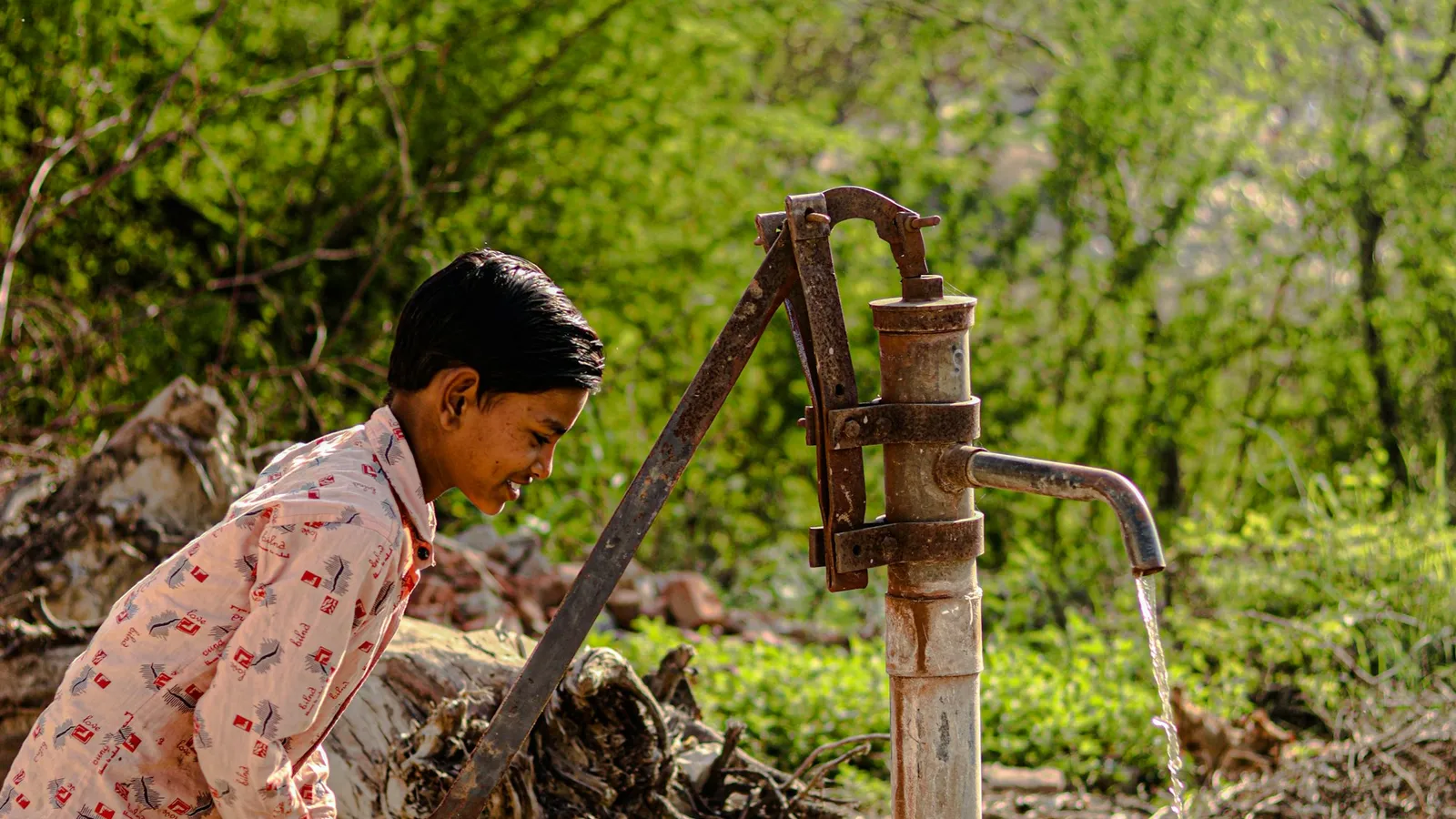
A well is more than a hole in the ground. From the first meeting to the first glass of tested water, it takes about three months and six steps. Each step is there because, at some point, a well somewhere failed without it.
This is how we work in the six villages of the dry north where we fund wells this year. The figures are from our 2025 well reports (sample).
1. Listen first
We only drill where a village asks for a well and agrees to form a water committee. The committee has at least five members, chosen by the village, and at least two of them must be people who usually fetch the water.
The committee chooses the site with us. That matters more than it sounds: a well at the edge of the village, or on land owned by one family, is used less and repaired less. Meetings take two to four weeks.
2. Survey and drill
A local geologist surveys the ground with a resistivity meter and marks the two or three best points. A licensed contractor drills until the water is clean and steady, usually between 40 and 70 metres.
Drilling takes three to five days. It is the most expensive step and the one with the most risk: about one borehole in ten is dry or salty and has to be moved. We budget for that from the start, so a dry hole does not stop the project.
3. Test the water
An independent laboratory tests every well before anyone drinks from it. The test covers bacteria, nitrates, fluoride, arsenic, and salinity. If a result is above the national limit, the pump is not installed until the problem is solved or the well is moved.
We publish every result on the cause page, including the ones that failed. Donors ask for this more than for anything else.
4. Train the repair team
Two villagers, chosen by the committee, learn to maintain the hand pump: how to change the seals, the rods, and the foot valve, and when to call for help. The training takes three days and comes with a set of tools and spare parts.
The committee collects a small monthly fee, usually the price of a loaf of bread per household, for parts. Most repairs cost less than $20 if they are done early.
5. Teach hygiene
Clean water at the pump can be dirty by the time it is drunk at home. A school session on hand washing and safe storage, and one for parents, makes the clean water count. We give each household a covered container with a tap.
6. Check back
We visit every well once a year for five years and report what we find: is it working, is the committee meeting, is the fee being collected, what broke and how fast it was fixed. Of the 34 wells we funded between 2019 and 2023, 31 were working at their last visit (sample).
What a well costs
| Step | Typical cost |
|---|---|
| Survey and drilling | $5,200 |
| Pump and concrete apron | $1,900 |
| Water test | $300 |
| Repair training and tools | $700 |
| Hygiene sessions and containers | $900 |
| Five years of visits | $1,500 |
| Total | $10,500 |
The cost changes with depth and with the price of fuel for the drilling rig. When a well comes in under budget, the difference goes to the next one on the list, and we say so in the report.
If you want to follow a well from survey to water test, you can give to the wells appeal and we will send you its report.