How we work
What one $25 backpack holds
Notebooks, pens, a calculator, and a lunch box: the list teachers asked for, why every item is on it, and how we buy and pack 1,600 of them.
Every August, teachers in the Riverside district send us the same message: some children will arrive on the first day with nothing to write with. This year we will hand out 1,600 backpacks across eleven schools. Each one costs $25, and each item in it is there because a teacher asked for it.
How the list is made
We do not decide what goes in the backpack. In May, we send a short form to the head teacher of every partner school. It asks three questions: what do children most often lack in the first month, what do families find hardest to buy, and what did you see go unused last year.
The answers change a little every year. In 2024 teachers asked us to drop the coloured pencils (most classrooms have shared sets) and add a second exercise book. In 2025 they asked for a lunch box, because children were bringing food wrapped in paper and losing half of it.
What is in it
For a primary school child, the 2026 backpack holds:
- two exercise books, lined and squared;
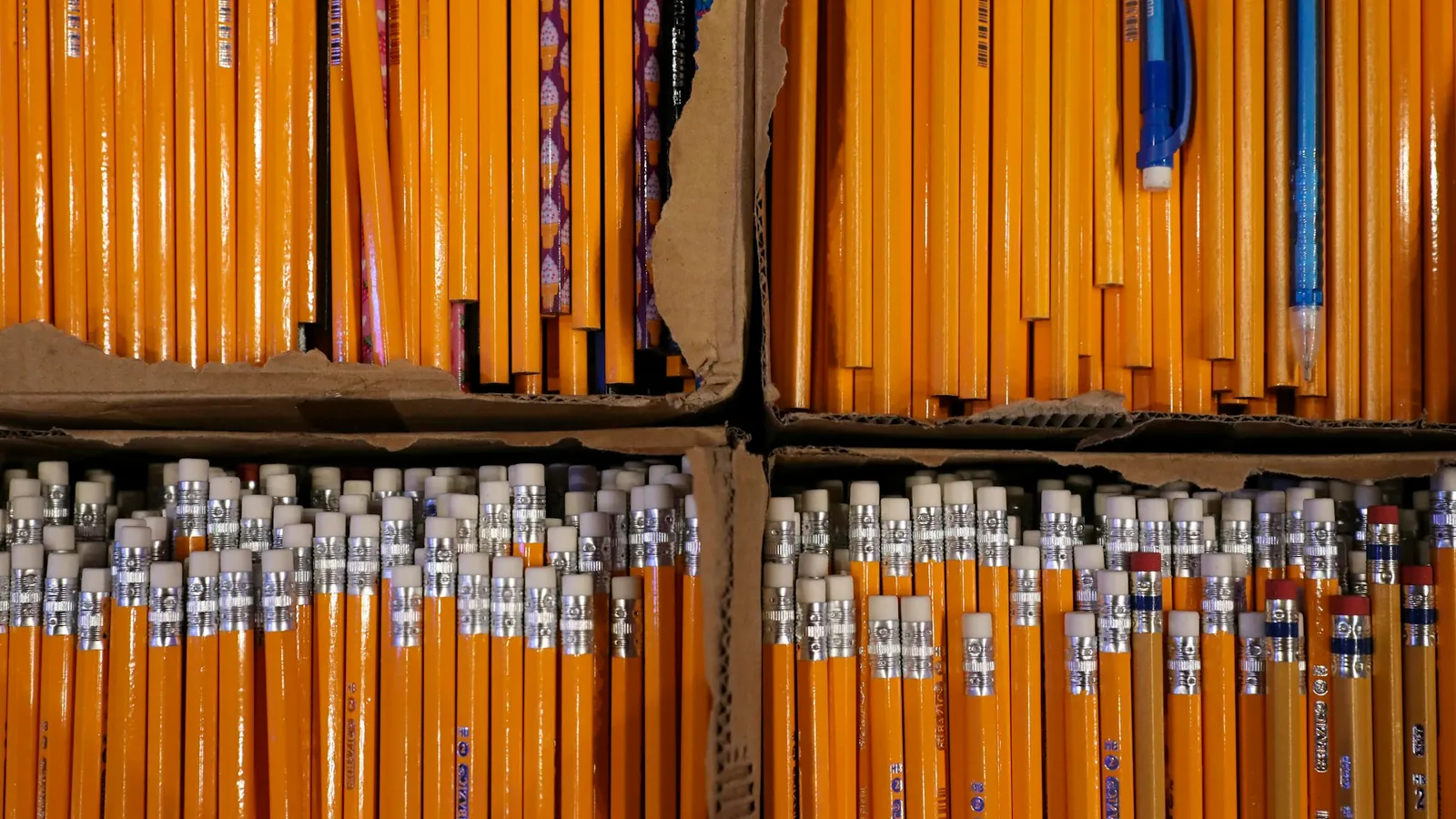
- four pencils, an eraser, and a sharpener;
- two blue pens and a ruler;
- a basic calculator for the older years;
- a lunch box and a water bottle;
- the backpack itself, chosen to last at least two years.
Secondary school packs swap the pencils for a geometry set and add a third exercise book. Both cost the same, within a dollar.
“A child who has to borrow a pen every lesson stops putting their hand up by October. The backpack is not about the pens. It is about not having to ask.”
Head teacher, Riverside primary school (sample)
Why $25
We buy in bulk from two local suppliers after asking three for quotes. Buying locally costs a little more than ordering from abroad, but it keeps the money in the district and means we can replace a faulty batch in a week, not a month.
Here is where the $25 goes, on average:
- $11 for the backpack, which is the single largest cost and the item that most often wears out;
- $8 for books, pens, pencils, and the calculator;
- $4 for the lunch box and bottle;
- $2 for transport to the schools and a share of the packing day.
There is no overhead line in that list. Office costs for the education programme are paid from unrestricted gifts, not from backpack donations.
Packing day
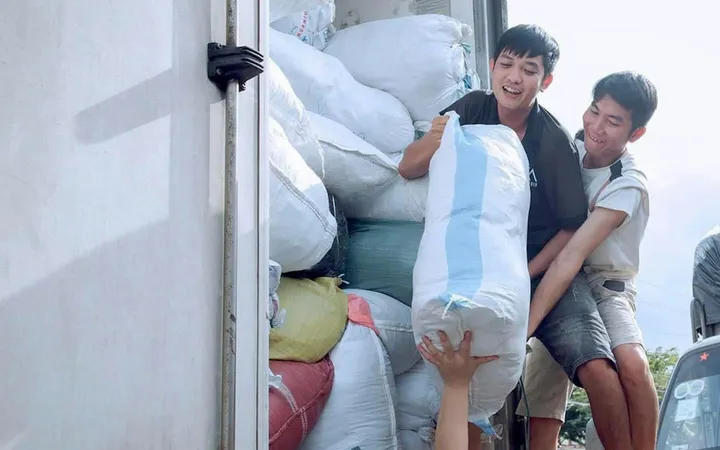
The backpacks are filled in one day by volunteers, most of them from local companies who give their staff the day off. Last year, 120 people packed 1,450 backpacks in six hours. Each table packs one kind of backpack, and a volunteer at the end of each table checks every bag against the list before it is sealed.
Schools collect their boxes the following week. Teachers hand them out quietly, to every child in the class, so nobody is singled out as the child who needed one.
What happens next
In November we ask the same head teachers what was used, what broke, and what was missing. Their answers go into next year’s list and into the cause page, with the number of backpacks delivered to each school.
One backpack is $25. If you can, give one, or sign up for the packing day.