Field stories
One term at the reading club
Twelve weeks, three libraries, and 64 children who were reading below their age: what changed by the end of term, and what did not.
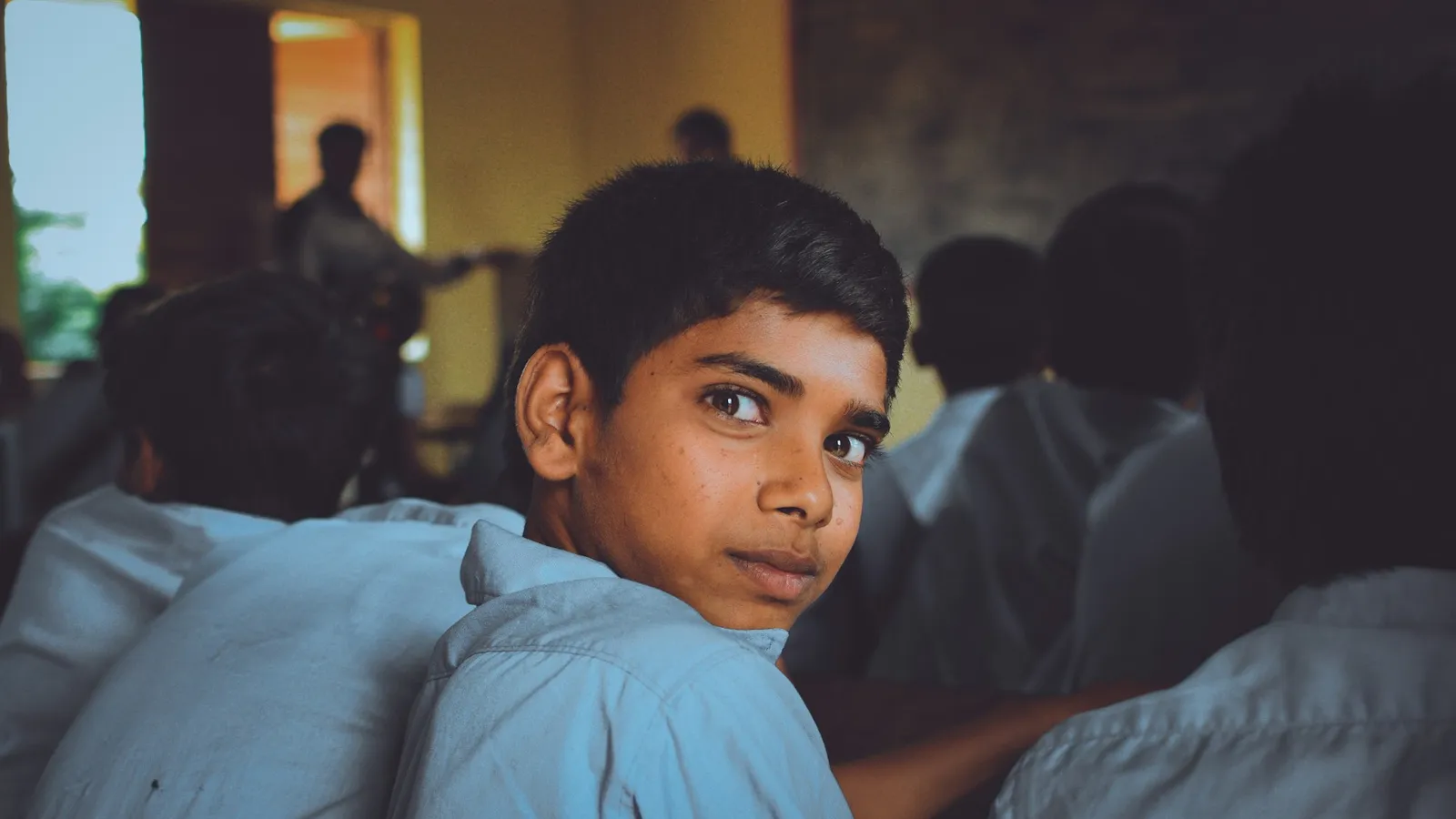
The reading club meets twice a week after school in three community libraries. Each session is an hour: twenty minutes of reading aloud with a volunteer, twenty minutes of reading alone, and twenty minutes of a game or a story chosen by the children.
This spring, 64 children aged eight to eleven took part. All of them had been referred by their teachers because they were reading at least a year below their age. Here is what happened over one term of twelve weeks.
The first week
The first week is mostly about books, not reading. Each child chooses three books from a box of about two hundred, sorted by level but not labelled. The volunteers watch what they pick.
Most children choose books that are too easy, and a few choose books that are far too hard. Both are signs of the same worry. The volunteer’s job in week one is to find, for each child, one book they want to finish.
One volunteer, three children
Every volunteer works with the same three children all term. That is the rule we keep most strictly, even when it means a waiting list. Children who read with a different adult every week do not improve much; children who read with the same adult do.
Volunteers are trained for one Saturday before the term starts. They learn how to listen to a child read without correcting every word, how to ask questions about a story, and when to tell the club leader that a child may need more help than the club can give.
“A boy in my group told me he hated books. In week nine he asked if he could take two home. That is why I come back.”
Léon G., volunteer at the east library (sample)
What we measure
At the start and end of term, each child reads a short passage to the club leader, who notes their reading age using a standard test the schools also use. We also ask each child one question: “Do you like reading?” with four answers to choose from.
The results for this spring term (sample figures):
- 64 children started; 58 attended at least 18 of the 24 sessions;
- of those 58, 41 gained at least six months of reading age in twelve weeks;
- 9 gained less than three months, and we have talked to their schools about other support;
- 37 children answered “yes” or “mostly” to “Do you like reading?” at the end of term, up from 14 at the start.
We report the children who did not improve as clearly as those who did. A reading club is not the right help for every child, and the schools need to know when it is not working.
What did not work
Two things did not go to plan. The east library could only open its children’s room on Tuesdays, so its Thursday session ran in a corridor and attendance dropped by a third. And we started the term with too few books for older readers, which the volunteers filled with their own.
For the autumn term, the library has given us a second room, and a donor has paid for 120 new books for ages ten and eleven.
What a term costs
A place at the reading club costs $95 a term. That pays for books, the club leader’s hours, volunteer training, and a snack at every session. Most children need two terms.
If you can, fund a place for a term, or read with three children on a weekday afternoon.